Skip to navigation
Skip to main content


Refurbished Phone Grades Explained: Excellent vs Good (Grade A vs B) — Which Should You Buy?
When it comes to purchasing a refurbished phone, it’s easy to get confused by overlapping condition labels. The wording may differ for Excellent, Good, Grade A and Grade B, but if you do not know what lies behind each wording, then it may be quite ambiguous.
By grasping different kinds of refurbished phone grades, you’ll be able to make more informed comparisons instead of basing them only on the refurbished phone label.
Understanding Refurbished Phone Grades
Knowing Refurbished Phone Grades.
Refurbished phone grades are primarily used to describe the physical condition of a used phone, following inspection and testing.
For refurbished models, a Grade A is typically a cleaner model with less visible wear and tear, whereas a Grade B typically will have more visible wear and tear. These labels are widely used, but don’t follow one common standard for grading.
Therefore, it is essential that the buyer not solely trust the letter. A different vendor might use the same grade A for a device that has seemingly minimal marks, as well as another vendor that would accept some marks and still label it with the same grade A. The seller’s condition description is thus more useful than the grade name alone.
It’s also important to differentiate Condition from the phone’s technical specifications. A cosmetic label provides you with information about how the device looks and, if specified, the battery level; it does not upgrade the underlying device. These depend on the model of the processor, camera system, display, storage, connectivity and software. Grade is a term used to indicate how good the unit is in the condition which it is being sold.
Excellent vs Good Condition at Grasshot
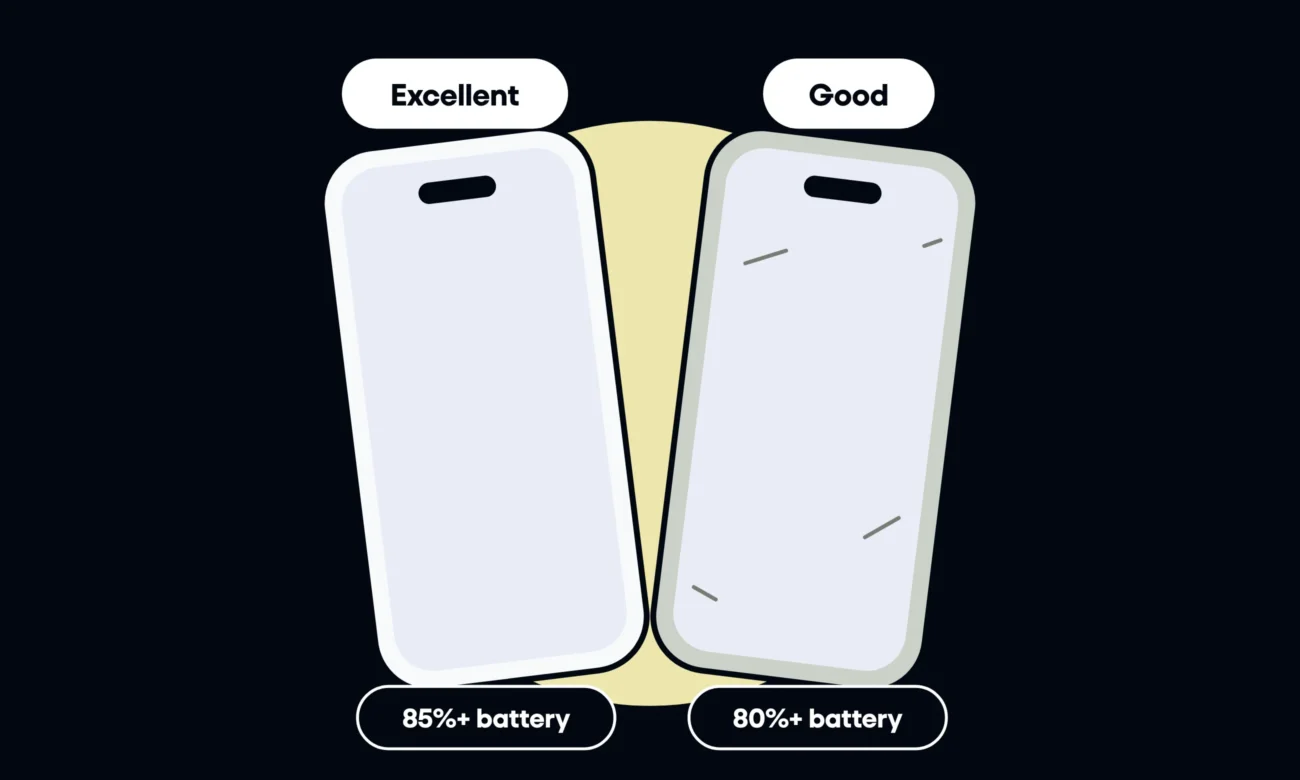
Grasshot: there is a minimal difference in cosmetic appearance and minimum battery life between Excellent and Good conditions.
| Factor | Excellent Condition | Good Condition |
|---|---|---|
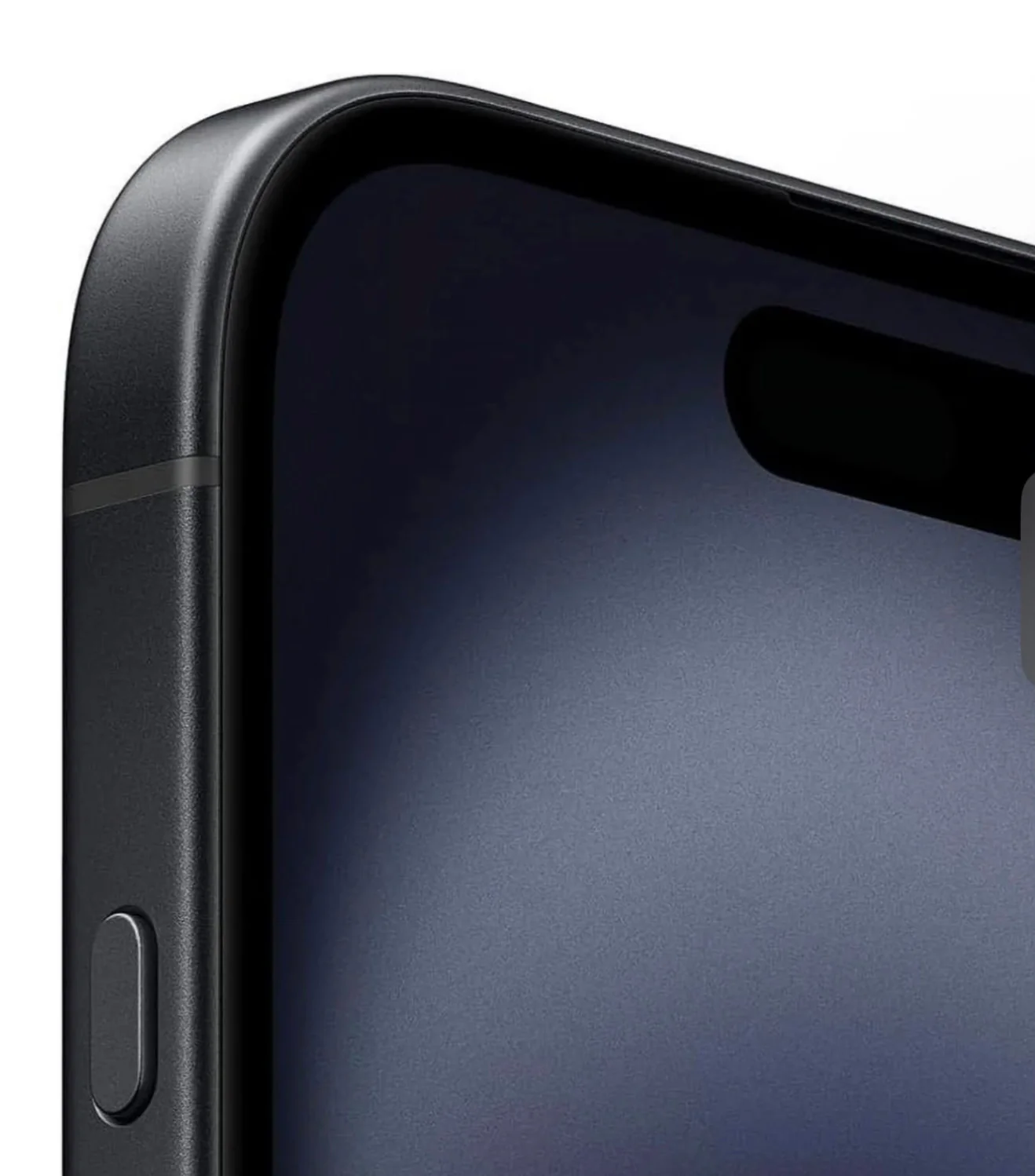
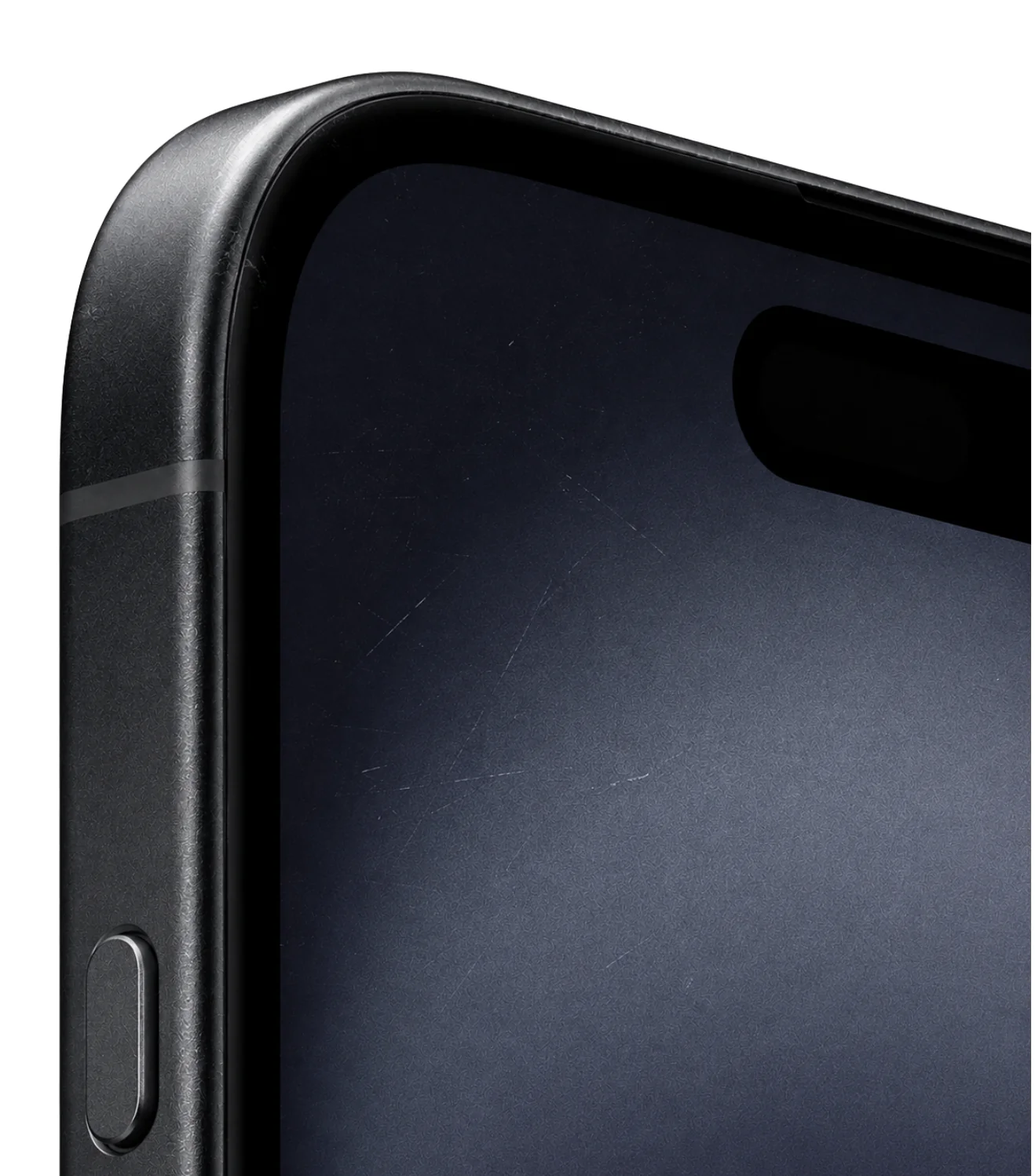
| Appearance | Reflects only normal wear and has nearly new condition | Demonstrates clear evidence of regular use |
| Cosmetic wear | Very slight and hard to detect | Minor scratches or scuffs; light damage to the paint |
| Functionality | Completely tested and 100% working | Fully tested and 100% working. |
| Minimum battery life | 85% or more | 80% or more |
| Cracked screens | Not sold | Not sold |
| Best suited to | Buyers prioritizing appearance | Buyers prioritizing value |
Both are functioning normally. It is a matter of preference regarding the amount of cosmetic wear you’re willing to accept, and if a cleaner look and longer battery life are worth the additional cost.
Excellent Condition
Excellent Condition is a description that describes a phone in good condition, but not exactly new.
These devices exhibit extremely subtle cosmetic wear and tear that most would not be able to see. They are tested extensively and work perfectly, and phones with cracked screens are not sold in such condition.
This is a similar level of service to what most buyers would expect from a Grade A refurbished handset, but not all phones are Grade A.
Excellent Condition is perfect for those who like to buy a gift, utilize clear cases or simply want a cleaner looking gadget. The added expense is most worthwhile when looks are important to you.
Good Condition
Good Condition is best for those who do not mind the sight of previous use.
Some of these devices may be lightly scratched or scuffed from normal handling. They are still in full working order and fully tested, and phones with cracked screens are not sold in such condition either.
This is similar to many customers’ idea of a Grade B refurbished mobile device.
Good Condition can make much more sense when appearance is not so important that it matters as much as keeping the purchase price down. For phones that are expected to be in a protective case for the majority of the time, some external damage might not cause much harm to the everyday usage.

Cosmetic Grade vs Phone Performance
A clean phone does not necessarily perform better.
Once two devices are of the same model and storage set-up, the processor and camera hardware are identical, the display technology is identical, the connectivity is identical, and the core features are identical. The grade is for the condition of the phone, not a different technical version.
For instance, if you select Good rather than Excellent for Samsung Galaxy S24 Ultra, the built-in hardware capabilities will remain unchanged.
When comparing, base your decision on the phone model itself. Check the generation of the processor, camera configuration, software compatibility, storage options, and connectivity. Evaluate appearance and battery expectations with the condition grade.
Battery Thresholds and Daily Use
The condition of the battery is important as well, since it can also have a more direct impact on the owner’s experience than a scratch on the frame.
Excellent Condition is defined as 85% and above and Good Condition is defined as 80% and above. These thresholds provide a controlled baseline for the buyers, instead of an ambiguous battery condition.
It’s still important to keep in mind battery percentage in context. Battery life, processor efficiency, screen size, refresh rate, network usage, apps and personal settings are also factors that influence real-world battery life.
Storage, Model Age, and Condition
The three aspects that are important are: condition, model age, and storage.
Condition is just one component of a smart buy.
A small cosmetic improvement may be more significant on the way to using the product than on storage. If you store hundreds or thousands of photos, videos, apps, downloads or work files, a 256GB Good-condition phone might be more practical than a 128GB Excellent-condition phone.
The model’s age is important, too. For instance, a newer phone in Good Condition might have a longer software support period, be more efficient, have better cameras or offer new connectivity capabilities than an older phone in Excellent Condition.
Compare the whole set: Model generation, storage, condition, battery limit, and price. The optimum returns may be achieved by optimizing a combination of these items rather than optimizing a single item.
Choosing the Right Condition for Your Budget
It will ultimately rely on what you will be seeing in real use.
Excellent should be given some thought when appearance is a factor, the price difference is low, or when the phone will be a gift. It’s also ideal for purchasers who don’t like indications of prior possession.
Generally, if cosmetic damage doesn’t bother you, you will find the Good Condition to be a better value. If a protective case will cover most of the outside, the additional cost of a cleaner frame or rear panel might not be of much use.
Price difference is important. If Excellent is just a little bit more expensive, it’s worth the extra expense for that look. If the gap is large, Good can offer a more satisfactory cost/utility balance.
It must also be compared with the amount the same money can purchase in other models. A higher grade older phone might be more aesthetically pleasing, but a newer Good-condition may have better cameras, longer software support, faster performance or more storage. Sometimes the compromise is greater over the years of owning the phone than the few stylistic differences.
You can check the price of refurbished phones or pre-owned models when it comes to smartphones, with various models, storage capacities, and conditions so you can sort out exactly how much you need to spend to get the right combination.
What to Check When the Phone Arrives
The condition grade is a guide, but it is advisable for buyers to check the device after delivery.
Begin on the outside and verify that there is a correlation between the condition bought and the condition visible. Excellent will have very little signs of use and Good will have light scratches or small scuffs.
Next, test out your daily functions. Ensure you check the display, buttons, speaker, microphone, camera, charging port, Wi-Fi, Bluetooth and mobile network connection.
You should make sure you’ve got the correct model and storage capacity checked in the phone settings as well. There are many different versions that may seem almost identical from the outside, which is a good way to make sure it’s the same as the listing.
These checks are simple and can just help ensure that the cell phone is the same as the one you bought prior to it turning into your everyday companion. If the operating system is showing battery health data, check the health data as well.
Conclusion
The grades of refurbished phones can be understood as a way to compare phones that are really different from each other, not just because they have a higher grade.
Excellent Condition is suited to the buyer who is looking for a near new look and minimal cosmetic wear. Good Condition is an option for those who don’t mind some minor scratches or scuffs, and prefer to maintain a lower price point.
The battery thresholds also vary, with Excellent beginning at 85%, and Good at 80%, but condition should be taken into account in conjunction with storage, model generation, ownership length and price.
If being cleaner does matter to you, then it’s worth the higher grade. A phone in Good condition will be more value without altering the principle attributes that you use day-in and day-out.
“Looking for a better way to buy your next phone? Explore Grasshot’s selection of refurbished and pre-owned Smartphones including iPhones, Samsung Galaxy devices, Google Pixel, Motorola and many more smartphone devices built for performance without the premium price.” Grasshot