Skip to navigation
Skip to main content



Phone Camera Megapixels: What They Mean and How Many You Need

On this page
Shop by condition
Every phone fully tested. Never a cracked screen.
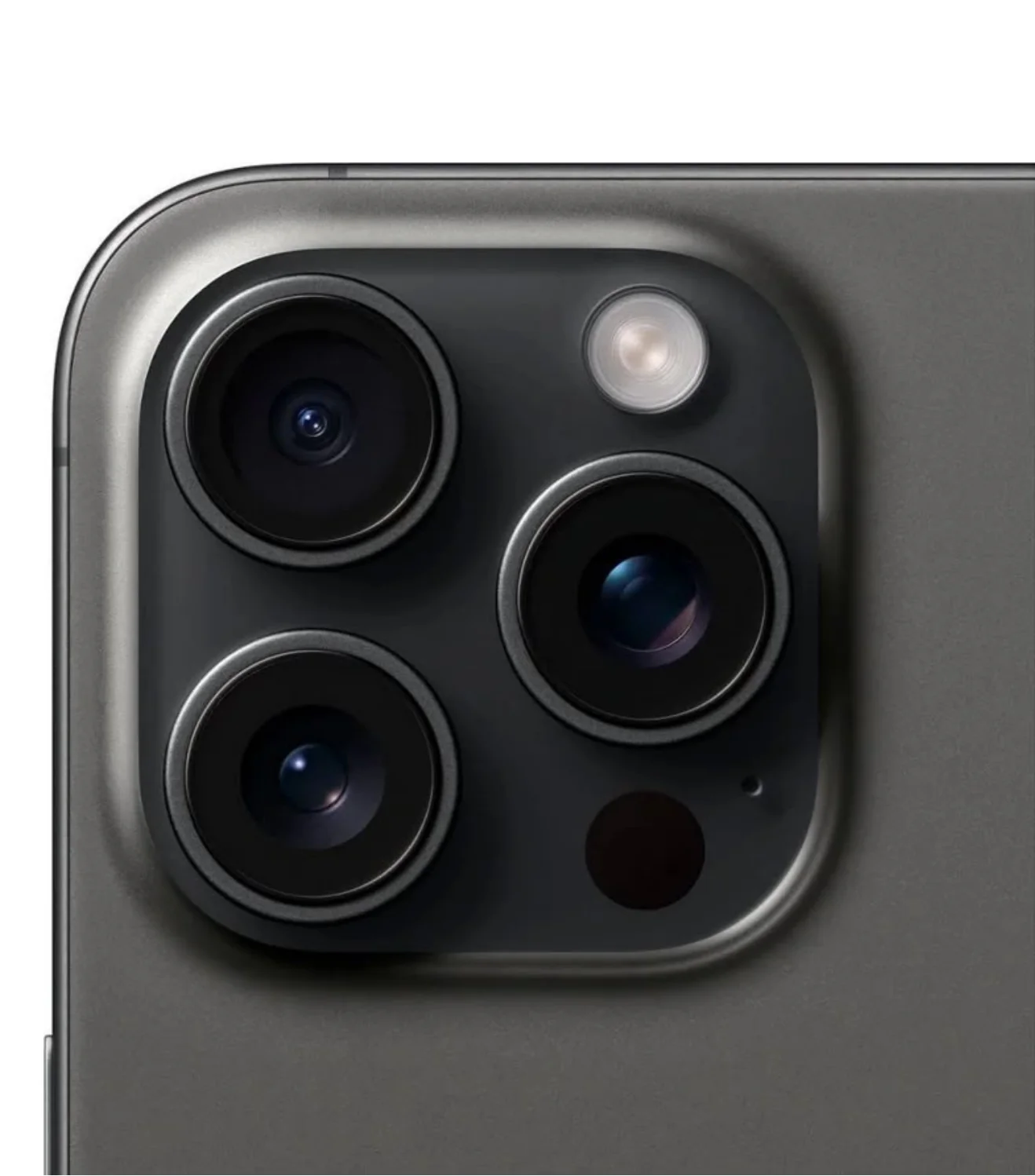
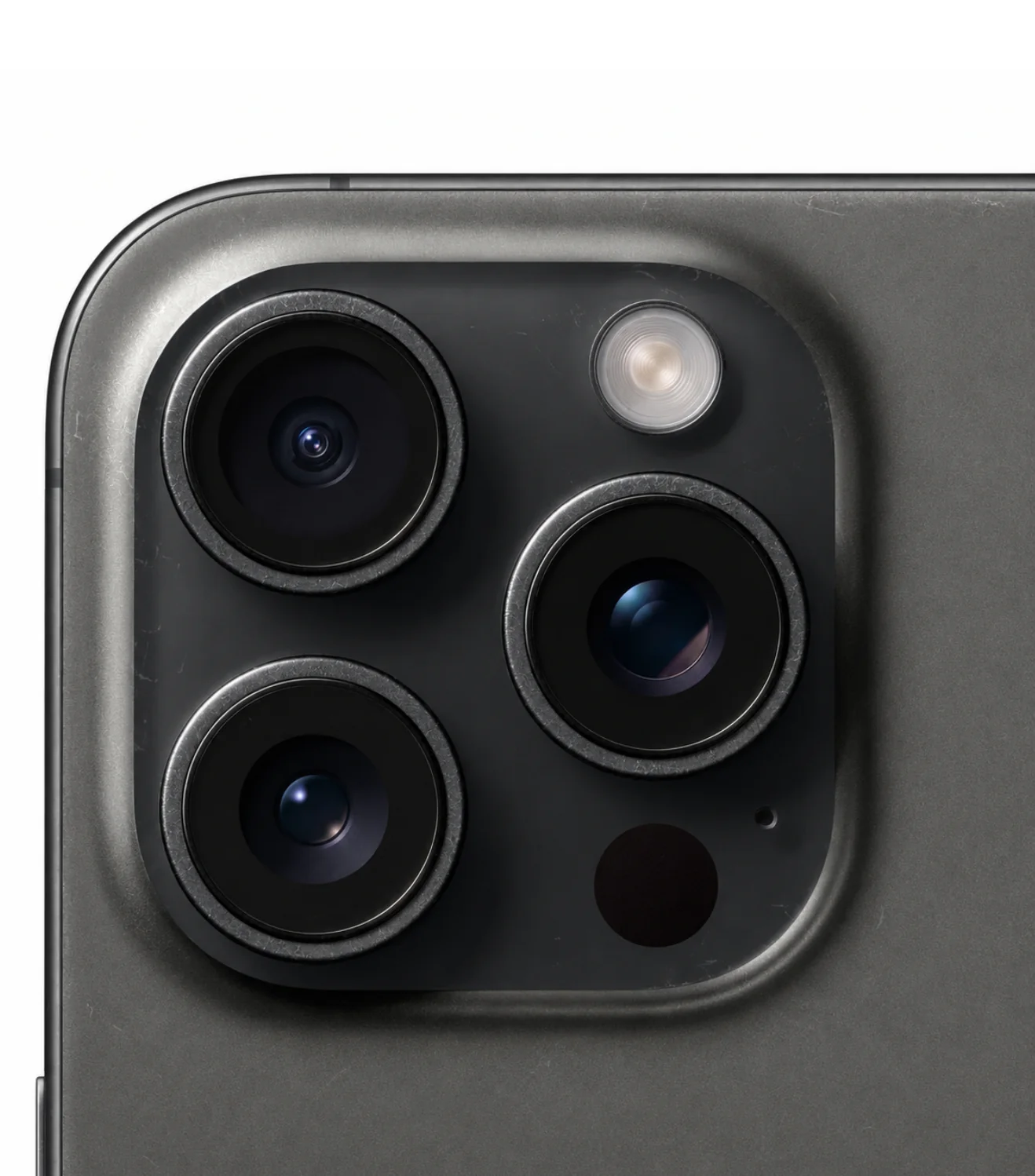
A megapixel count tells you how many pixels a photo contains, not how good the photo looks. For most people, 12MP is plenty, and sensor size, processing and stabilization shape the result more than a bigger number on the spec sheet. That is good news if you shop refurbished: a phone that was a flagship a few years ago often has a better camera than a new budget phone with a higher megapixel count. At Grasshot, you can compare tested, warranty-backed refurbished iPhone, Samsung and Pixel models and judge them on what the camera really does.
Grasshot grasshot.com
Compare tested, warranty-backed refurbished phones by model, condition, and price to find a camera that fits your needs.
TL;DR
- One megapixel is about one million pixels. A 12MP photo holds roughly 12 million of them.
- Between 12MP and 20MP is enough for most everyday use. Extra resolution mainly helps with cropping and large prints.
- Sensor size, which controls how much light the camera collects, matters more for low-light photos than megapixels do.
- Many phones take better photos in their default 12MP mode than in 48MP, 50MP or 200MP modes.
- A refurbished flagship often gives you a stronger camera than a new phone at the same price.
What a megapixel actually measures
A megapixel is a count, not a quality rating. According to Android Police’s camera guide, it refers to the physical light-collecting pixels on the sensor, with one megapixel equal to roughly one million pixels. A 12MP camera makes images of about 12 million pixels.
Think of it as image size. A 1-megapixel photo is only about 1,200 by 900 pixels, according to Phone Scoop’s glossary, and the same glossary notes that high counts matter most when you zoom in or crop. They also make bigger files that take more storage and longer to transfer.
So a higher number gives you more room to enlarge or crop. It does not make colors truer, shadows cleaner or moving subjects sharper.
How many megapixels do you need?

For sharing on social media, messaging and viewing on a phone or laptop, very little. Samsung’s U.S. buying guide suggests a minimum of 6MP for daily use, with more being useful for printing, uploading high-resolution images or clear night shots. Nearly every phone sold today clears that bar.
Here is a practical way to think about it:
| What you do | Megapixels that serve you well |
|---|---|
| Social posts, texting, everyday snapshots | 12MP |
| Heavy cropping of distant subjects | 48MP to 50MP, in good light |
| Large prints | 48MP gives more room |
| Maximum detail in daylight scenes | 50MP or higher, if the sensor is large |
On printing, DB Labs notes that a 48MP photo can print at 24 by 18 inches at 300 DPI (dots per inch, a standard print sharpness), against about 13 by 10 inches for 12MP. If you rarely print, that extra room goes unused.
Why 12MP often beats 48MP, 50MP and 200MP
Most high-resolution phone sensors use pixel binning: the camera groups several tiny pixels into one larger virtual pixel. MakeUseOf explains that binning four pixels into one gives the iPhone 17 Pro Max an effective pixel size of 2.44 microns, double its hardware pixels. Bigger pixels gather more light, so shots are cleaner.
Processing plays a part too. The same article says phones run different processing pipelines for binned and full-resolution photos, so a 12MP shot can look brighter and more colorful than a 50MP or 200MP one.
Tests back this up. In TechRadar’s comparison of the Galaxy S25 Ultra, iPhone 16 Pro Max, OnePlus 13 and Pixel 9 Pro, 12MP gave the better photos on most of them. The Pixel 9 Pro was the only phone that clearly gained from its 50MP mode. Wirecutter found the same on the Galaxy S23 Ultra: its default 12.5MP mode almost always beat the 200MP mode, because Samsung merges 0.6-micron pixels into 2.6-micron virtual ones.
The takeaway: leave your phone on its default resolution for everyday shots. Switch to the high-resolution mode for bright, still scenes where you plan to crop.

Is a 200MP camera worth paying for?
It can help in daylight when you want maximum detail to crop. Wirecutter says the S23 Ultra’s 200MP sensor is most useful for zoom: at 2x it uses the center 50MP of the sensor, binned into a 12.5MP shot with better brightness. That is a real benefit, but it comes from the sensor design, not from the headline number alone.
Sensor size: the spec that matters more
The sensor is the chip that captures light. Android Authority explains that sensor size determines how much light the camera has to work with, and that light drives exposure balance, dynamic range and sharpness. That is why large-sensor cameras with 16MP or 20MP can look better than a 200MP phone.
A larger sensor generally improves low-light performance, dynamic range (how well it keeps detail in both bright and dark areas) and sharpness. DXOMARK’s testing found two phones with 1-inch sensors held the top two spots for low-light texture and noise. It also noted that some large-sensor phones scored poorly, so software tuning still counts.
How to read sensor size labels
Sensor sizes are written as fractions of an inch, such as 1/1.3″ or 1/2.55″. The labels come from an old TV-tube convention, and BTTR’s spec guide explains that a larger number under the line means a smaller sensor. A 1/1.3-inch sensor (roughly 9.8mm by 7.3mm) is much larger than a 1/2.55-inch one (roughly 5.0mm by 3.7mm).
The same guide gives a rough pattern by price. Phones under $400 usually have main sensors of 1/2.76 inch or smaller, $400 to $900 phones use 1/1.95 to 1/1.56 inch, and $1,200-plus flagships sit around 1/1.3 inch to 1 inch. Prices reflect what phones cost new, which is where refurbished buying changes the math.
Pixel size and megapixels together
Cramming more pixels onto the same sensor makes each one smaller. A budget-phone guide from AllInTheDifference advises looking for pixels of 1.0 micron or larger, noting that a 1.2-micron pixel on a 50MP sensor can beat a 0.7-micron pixel on a 108MP sensor in low light. That is why a 50MP phone can out-shoot a 108MP one.
Other features that shape photo quality
Before comparing megapixels, check these:
- Optical image stabilization (OIS). It steadies the lens and helps in dim light and video. The Vecosys checklist calls OIS on the main lens non-negotiable.
- Image processing. DPReview’s buying guide says computational photography plays a large role, so sensor size isn’t everything. Google Pixel phones are known for this kind of software tuning.
- Software updates. A phone that keeps getting updates keeps improving its camera app and security.
- Front camera and video. If you take many selfies or video calls, check these separately.
An easy test: look at sample photos from the exact model, especially indoors and at night, rather than trusting the spec line.
Why refurbished is a smart way to buy a better camera
Sensor quality tracks price. A phone that cost flagship money at launch typically carries the larger sensor, the better stabilization and the stronger processing. Once it is refurbished, you get that hardware at a much lower price than a new phone of equal camera quality.
That puts the earlier price tiers to work for you. Instead of a new budget phone with a small sensor and a big megapixel number, you can look at a refurbished flagship from a prior generation. Budget guides such as TechnoCrazy’s suggest weighing main-camera consistency, low-light reliability, video stability and update life, and setting an all-in budget that includes a case, charger and storage.
A sensible checklist when shopping:
- Pick your two or three main uses: daylight snapshots, night photos, video, zoom.
- Shortlist models by main-sensor size and stabilization, not megapixels.
- Compare the same scene across models using sample photos.
- Check condition, storage and battery guarantee before you decide.
On condition, our guide to refurbished phone grades explains what Good and Excellent mean. If you are weighing an older but capable model, see whether the iPhone 13 is still good. Choosing between platforms? Our overview of Android and iOS covers the differences.
Where to find strong cameras at Grasshot
We sell refurbished and pre-owned phones from Apple, Samsung, Google Pixel, Motorola and BLU. Every phone is tested for functionality, sold in Good or Excellent condition, and covered by a one-year warranty, with free delivery and a free 30-day return period. Battery-life guarantees vary by condition.
Start with the category that fits your camera habits: iPhone for consistent color and video, Google Pixel for point-and-shoot processing, Samsung phones for zoom and versatile lenses, or Motorola for lower-priced options. Listings show your savings against the new price.

Our perspective
We think the megapixel race has pushed shoppers to compare the wrong number. A buyer who wants a good camera is better served by asking how large the sensor is, whether the lens is stabilized and how the phone processes a photo.
That is also why we think refurbished is a strong route to a great camera. The hardware that makes photos look good, a bigger sensor and better processing, is found in higher-tier phones that cost a lot new. Buying one refurbished lets more people reach that quality, and it keeps a working device in use longer instead of adding to electronic waste.
Every phone we sell is tested for functionality, comes in Good or Excellent condition and carries a one-year warranty, so you can choose on camera merit with confidence.
Grasshot
FAQ
How many megapixels is a good phone camera?
Around 12MP to 20MP is typically enough for most users, and 12MP is the default on many top phones. More megapixels help mainly when you crop heavily or print large. For overall quality, sensor size and processing matter more.
Is a 12MP camera better than a 48MP camera?
Often, yes, in everyday shooting. Many phones bin their pixels into 12MP shots with more light per pixel and fuller processing, and TechRadar’s tests favored 12MP on most phones. A 48MP mode is best in bright light when you want to crop.
What does camera sensor size mean?
It is the physical size of the chip that captures light. A bigger sensor collects more light, which improves low-light photos, dynamic range and sharpness. Sizes are written as fractions of an inch, and a smaller number under the line means a larger sensor.
Is a 200MP phone camera good?
It can capture a lot of detail in daylight and supports useful zoom crops. It matters less than sensor size, stabilization and tuning, so judge the whole camera rather than the headline figure.
Sources
- Android Police: Smartphone cameras explained
- Phone Scoop: Megapixel definition
- Samsung US: Which phone has the best camera?
- DB Labs: iPhone photo resolution explained
- MakeUseOf: Why a 12MP photo beats 50MP
- TechRadar: How many megapixels do you really need?
- Wirecutter: Samsung Galaxy S23 Ultra camera
- Android Authority: Camera sensor size
- DXOMARK: How a large sensor affects image quality
- BTTR: Phone camera specs decoded
- AllInTheDifference: Best camera on a budget phone
- Vecosys: Smartphone camera specs checklist
- DPReview: A photographer’s guide to buying a smartphone
- TechnoCrazy: Best camera phones under $500
Recommended
Shop with Grasshot
“Looking for a better way to buy your next phone? Explore Grasshot’s selection of refurbished and pre-owned Smartphones including iPhones, Samsung Galaxy devices, Google Pixel, Motorola and many more smartphone devices built for performance without the premium price.”
Related Reading
Shop by condition
Every phone fully tested. Never a cracked screen.
Latest articles


A brand you can trust
Not happy with your purchase? Get in touch and we’ll do our best to make it right. It’s one more way we earn your trust.
Find your next phone
Refurbished and pre-owned phones from the brands you already know.