Skip to navigation
Skip to main content


Phone Operating Systems: Android vs. iOS Explained

On this page
Shop by condition
Every phone fully tested. Never a cracked screen.
A phone operating system (OS) is the core software that runs the phone and decides which apps you can use and how everything looks and behaves. In the United States, two systems matter: Apple’s iOS, which runs only on iPhones, and Google’s Android, which runs on Samsung Galaxy, Google Pixel, Motorola and many other brands. Choosing between them is the first decision when you shop for a phone, and it narrows your options before price, storage or condition come into play. Refurbished phones from Grasshot cover both: iPhone on the iOS side, and Samsung, Google Pixel and Motorola on the Android side.
Grasshot
Explore refurbished phones from Apple, Samsung, Google Pixel, and Motorola, with listings organized by model, condition, and price.
TL;DR
- A phone OS is the main software layer that controls the screen, the hardware and the apps you can install.
- Only two systems have meaningful U.S. share: iOS and Android. Statcounter’s October 2026 U.S. data put them at 51.96% and 48.02%.
- You cannot turn an Android phone into an iPhone, so the OS you want decides which brands you shop.
- Samsung’s One UI and similar skins are interfaces on top of Android, not separate operating systems.
- When you buy refurbished, check the model’s software support, the condition grade and the warranty together.
What a phone operating system does
The OS is the software that lets the device run at all. It determines how the screen is laid out, how the phone works and which apps are designed for it, as Verizon’s support pages put it. Phone Scoop’s glossary describes it as the core software for basic operation, with apps such as games, navigation and social media running on top of it.
In practice, the OS handles several jobs you notice every day:
- Hardware control: the camera, battery, touchscreen, speakers and sensors all talk to the OS.
- Connectivity: Wi-Fi, cellular data, Bluetooth, NFC and GPS. TechTarget notes that internet access through the phone’s built-in cellular modem is what sets a mobile OS apart from a desktop one.
- Apps and the app store: the OS includes the store where you download apps, plus a web browser, email, calendar and contacts.
- Security and backup: encryption, screen locks and backup and restore tools are part of the OS, according to Baeldung’s computer-science guide.
Because the OS shapes so much of the experience, many people pick a phone by its system first. Uswitch makes the same point: the OS is so tied to how a phone looks and feels that it often drives the choice more than the hardware does.
Which operating systems Americans actually use
There have been many mobile systems over the years, including BlackBerry OS, Windows Phone and Symbian. Today the U.S. market is essentially a two-system market.
Statcounter’s October 2026 U.S. mobile OS data shows iOS at 51.96% and Android at 48.02%, with KaiOS at 0.01% and Windows, Linux and Samsung at 0%. Statcounter publishes these figures monthly, and the split moves by a point or two from month to month, so treat any single month as a snapshot. A different measure, unit sales, gives a similar picture: Statista’s U.S. smartphone report, updated in November 2026, puts iOS at around 54% and Android at 46%. The same report says Apple and Samsung together account for around 84% of U.S. smartphone unit sales.

The takeaway for a shopper is simple. Both systems have huge user bases, so popular apps, accessories and support are available on either. For more on why two brands lead, see our piece on why Apple and Samsung dominate the smartphone market, and for the wider picture, our U.S. smartphone market trends.
Android vs. iOS: how they differ
The biggest difference is who makes the software and where it runs. Uswitch explains that Android is owned by Google, built on the Linux kernel and open source, so manufacturers such as Samsung can customize it, while iOS runs only on Apple products.
| iOS | Android | |
|---|---|---|
| Made by | Apple | |
| Runs on | iPhone only | Samsung Galaxy, Google Pixel, Motorola, BLU and others |
| Customization | Apple sets the look and layout | Manufacturers can add their own interface |
| Choice of hardware | One brand, several models | Many brands, wide range of models and prices |
| App store | Apple’s App Store | Google Play on most phones |
| Where to shop at Grasshot | iPhone | Samsung, Google Pixel, Motorola |
Who tends to prefer which
This is not a ranking, because both systems are mature and capable. A few practical patterns help:
- Choose iOS if you already use other Apple products, want a consistent experience across every iPhone, or share photos and messages mostly with iPhone users.
- Choose Samsung Galaxy if you want a wide choice of models, extra customization and multitasking options on a large screen.
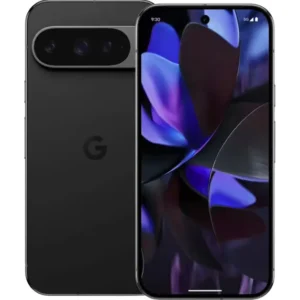
- Choose Google Pixel if you want Google’s own version of Android and its apps built into the phone.
- Choose Motorola if you want an Android phone at an easy-on-the-wallet price point.
If you are moving from one system to the other, plan for a short adjustment period and check that your most-used apps are available in the other store. Most mainstream apps are.
Skins and interfaces: why a Galaxy is still Android
A common point of confusion is the name on the screen. Samsung calls its interface One UI, and other brands have their own. These are not separate operating systems. Android Police explains that One UI is a custom interface built on Android: the underlying OS remains Android, while One UI is exclusive to Galaxy devices and adds customization, themes and multitasking options.
So when you compare a Samsung Galaxy and a Google Pixel, you are comparing two Android phones with different interfaces and features on top, not two different systems. Apps from Google Play run on both.
Other phone operating systems you may come across
Outside iOS and Android, a few other systems exist, but none is a realistic option for a mainstream U.S. buyer:
- Discontinued systems: BlackBerry OS and Windows Phone. ComputerHope’s glossary lists them with iOS and Android as the four best-known smartphone systems, and notes Windows Phone was discontinued. They no longer receive the updates a daily phone needs.
- KaiOS: a lightweight system for basic flip phones. Statcounter shows it at 0.01% of U.S. usage in October 2026.
- Hobbyist and privacy projects: community-built systems exist for a small number of devices, but they are a specialist interest and not what most shoppers need.
If you want a phone that works with the apps your friends, bank and workplace use, iOS or Android is the answer.
How to check which OS and version your phone runs
Knowing your current version helps you compare it with what a newer or refurbished model offers.
On an iPhone: open Settings, tap General, then tap About. Apple’s support guide says that screen lists the iOS software version, model name, model number, serial number and IMEI.
On an Android phone: on most devices, open Settings, scroll to About phone and look for the Android version entry. Menu names vary a little between brands, so use the search bar at the top of Settings if you do not see it.
Two terms are worth knowing. An OS update is a new major version, such as Android 11 to Android 12, which often changes how the screen looks and what features you get. A software update is a smaller update to the version you already have. Verizon explains the difference and notes that updates carry performance and security improvements.

Can you change a phone’s operating system?
You can update the version, but you generally cannot switch systems. ComputerHope notes that you cannot put iOS on an Android phone, because phone hardware is designed to work with its installed OS.
That is why the OS decision comes before the phone decision. If you are unsure, decide on iOS or Android first, then choose a model, storage size and condition within that group. Buying the phone that already runs the system you want is simpler and safer than trying to modify one.
How to choose an OS when you buy a refurbished phone
Price is where refurbished helps most, but the OS affects how long a phone stays useful. Work through these steps in order.
- Pick the system. Decide between iOS and Android using the patterns above and the devices you already own.
- Pick the brand within it. For iOS that means iPhone. For Android, compare Samsung Galaxy, Google Pixel and Motorola on screen size, camera and price.
- Check the model’s software support. Older models stop receiving new OS versions at some point. Look up the manufacturer’s own support page for the exact model you are considering, since a newer model generally stays supported longer than an older one.
- Compare condition and price. Grasshot sells phones in Excellent or Good condition, and listings show savings against new-device prices, so you can see what each grade costs for the same model.
- Confirm the protection. A one-year warranty, a free 30-day return period and battery-life guarantees that vary by condition are the safety net on every Grasshot purchase.
- Check carrier and storage. Listings are organized by carrier and storage, so filter to the combination that matches your plan.
Our Refurbished Smartphones USA guide walks through condition grades and what to expect from each, and why choose a refurbished smartphone covers the savings and the environmental case. For the price side, see the real cost of a new smartphone in the USA.
Shop by operating system at Grasshot
Grasshot is organized so you can start from the system you want. For iOS, browse refurbished iPhones. For Android, choose Samsung phones, Google Pixel or Motorola. Every phone is tested for functionality, sold in Excellent or Good condition and covered by a one-year warranty, with free delivery and a free 30-day return period.

If you already know the model you want, such as a refurbished Galaxy S25+ or an iPhone 16, the product pages show the condition, price and savings against new in one place. Buying refurbished also extends the life of a device that already exists, which is how Grasshot works toward its goal of reducing electronic waste.
Our view on choosing by operating system
We think the operating system is the right place to start, because it is the one part of a phone you cannot change later. Pick iOS or Android first, and the rest of the decision becomes a price and condition comparison.
Once the system is settled, a refurbished phone is the practical way to get more of it for your money. Every device we sell is tested for functionality and sold in Good or Excellent condition, so the phone you receive is ready to use. The one-year warranty, free 30-day returns and battery-life guarantees are there so that the choice feels as safe as buying new.
Android or iPhone, our aim is the same: to make smartphones more accessible and keep good devices in use for longer. A phone that has been tested and reconditioned does the same job as a new one at a lower price, and it keeps electronics out of the waste stream.
Allwell
FAQ
What is a phone operating system?
It is the main software that runs the phone, controls the hardware and lets you install and use apps. It also manages the screen layout, connectivity, security and backup tools. The two main ones in the U.S. are iOS and Android.
What are the main mobile operating systems?
In the United States, iOS from Apple and Android from Google account for nearly all use. Statcounter’s October 2026 data shows iOS at 51.96% and Android at 48.02%. Older systems such as BlackBerry OS and Windows Phone are discontinued.
Is Samsung’s One UI an operating system?
No. One UI is Samsung’s interface on top of Android. The phone’s OS stays Android, and One UI adds customization and multitasking features that are exclusive to Galaxy devices.
Can I change my phone’s operating system?
You can update to newer versions, but you cannot switch between iOS and Android on the same phone. If you want the other system, you need a phone made for it. Refurbished iPhones and Android phones are both available at Grasshot, so you can choose either side at a lower price than new.
How do I find my phone’s operating system?
On an iPhone, go to Settings, then General, then About, as Apple’s guide describes. On most Android phones, open Settings and look for About phone, where the Android version is listed.
Sources
- Mobile Operating System Market Share United States of America | Statcounter
- U.S. smartphone market: Statistics & Facts | Statista
- Mobile Operating Systems Explained and Compared | Uswitch
- Samsung One UI explained | Android Police
- Get information about your iPhone | Apple Support
- What is a mobile operating system? | TechTarget
- OS definition | Phone Scoop
- Features of Mobile Operating System | Baeldung
- What Is a Smartphone? | ComputerHope
- Mobile device operating system FAQs | Verizon Support
Recommended
Shop with Grasshot
“Looking for a better way to buy your next phone? Explore Grasshot’s selection of refurbished and pre-owned Smartphones including iPhones, Samsung Galaxy devices, Google Pixel, Motorola and many more smartphone devices built for performance without the premium price.”
Related Reading
Shop by condition
Every phone fully tested. Never a cracked screen.
Latest articles


A brand you can trust
Not happy with your purchase? Get in touch and we’ll do our best to make it right. It’s one more way we earn your trust.
Find your next phone
Refurbished and pre-owned phones from the brands you already know.